
Thank you for Subscribing to Insurance Business Review Weekly Brief


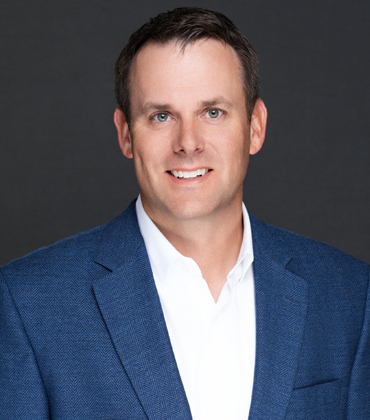 Luke Barnett, Managing Partner and Employee Benefits Practice Leader
Left in a drawer, insurance is just a fire extinguisher—useful in an emergency but passive until something burns. Structured as an operational system, it becomes a business’s nerve center, aligning risk management, safety standards and claims data into a proactive feedback loop that catches vulnerabilities before they turn into losses.
Connor & Gallagher OneSource (CGO) applies this way of thinking to the middle market. As an independent insurance and HR solutions firm, CGO integrates risk management, employee benefits, payroll and retirement services into a unified, consultant driven framework.
“Our value proposition is to serve employers as a strategic partner by delivering the insight, expertise and resources organizations need to control costs, reduce risk and make smarter business decisions through expert consulting and proactive client advocacy,” says Luke Barnett, Managing Partner and Employee Benefits Practice Leader.
How the System Works
CGO’s consultants begin by understanding how a business operates—its ownership, customers, products and services—before reviewing coverage or discussing price. That operational insight allows the team to identify coverage gaps, address factors carriers evaluate and strengthen a client’s risk profile before a policy is placed.
 “The only way to get better pricing is to make yourself a better risk,” says Barnett.
AI tools support the analysis of existing coverage and help identify potential gaps. An annual service plan built around quarterly reviews extends that discipline by assessing whether a policy placed in January still fits the business in July, whether limits need adjustment and whether new exposures have emerged.
Operational changes like new locations, payroll shifts and process updates surface during these reviews rather than after a loss. Each conversation builds on the last, allowing the insurance program to evolve with the business.
“Many middle-market organizations originally selected independent agencies for personal service and experienced advice, but after industry acquisitions, they found themselves working with large brokerage firms they never chose,” adds Barnett. “We remain fiercely independent and assign veteran professionals to the market segment that is central to our business.”
-
Our value proposition is to serve employers as a strategic partner by delivering the insight, expertise and resources organizations need to control costs, reduce risk and make smarter business decisions through expert consulting and proactive client advocacy.
CGO’s services span both employee benefits and property and casualty. Benefits support includes consulting, compliance, data analytics, administration, wellness and benefits technology. Property and casualty services include consulting, risk management strategy, exposure review, claims management and advocacy, loss control and workplace safety.
Across both disciplines, the objective is consistent: reduce preventable claims and make clients more attractive risks to insurance carriers.
Technology Guided by Client Value
CGO’s technology strategy follows the same client-first logic. Its team configures and manages Employee Navigator in-house, preparing the platform for open enrollment with no outside administrator to coordinate.
 Private ownership lets CGO reinvest in capabilities that improve client experience instead of prioritizing short-term shareholder returns. One AI-enabled tool provides an independent underwriting view of an employee benefits group, giving employers a clearer view of their risk and where plan design could help.
CGO’s Net Promoter Score has improved in each of the past four years. United Benefit Advisors and RiskProNet connect CGO with independent agencies nationwide to exchange best practices, tools and market insights.
What Sustained Attention Produces
A middle-market employer approached CGO after feeling trapped in the fully insured market. That employer knew claims were driving costs but lacked guidance on managing them and handled benefits administration directly with a payroll provider.
CGO presented alternative funding strategies, including potential self-funding through a captive and took over the back-end benefits administration entirely, freeing the employer’s staff for other work.
A large municipal organization had chosen a small independent broker nine to ten years earlier, only to see that agency acquired twice. Familiar contacts disappeared and service attention declined. CGO restored the detailed, consistent engagement the client had expected from an independent broker.
Scaling Independence
Barnett expects clients and experienced professionals who entered large brokerage firms through acquisition to move back toward entrepreneurial, independent agencies. CGO has grown from two partners to 12 equity partners and Barnett believes that number could double within five years.
Expanding ownership lets CGO attract experienced professionals with a direct stake in its success and client outcomes. Recognition as Insurance Business Review’s Top Independent Insurance Broker in Illinois 2026 reflects a model built on independence, sustained engagement and helping clients become better risks.
Insurance Brokerage Built Around Risk Control
A lower renewal quote can conceal the larger cost problem. Claims frequency and unmanaged workplace exposures often shape premiums long before a broker approaches the market. Executives choosing an independent insurance broker should therefore look beyond carrier access. The more useful test is whether the broker can improve how the business is presented to insurers and help management address the conditions contributing to losses.
That work begins before coverage is marketed. A broker needs enough knowledge of the client’s ownership structure and changing activities to recognize where existing policies may no longer fit. Limits selected at the start of the year can become inadequate after an acquisition or a new contract. Annual contact is rarely sufficient for a middle-market company whose workforce or revenue mix is shifting. Regular review meetings and access to experienced advisers provide a better basis for keeping coverage current.
Claims oversight carries equal weight. Reserve levels can remain higher than warranted and workers’ compensation cases can drift when no one is coordinating the response. A capable broker should review claims, seek reserve adjustments where the evidence supports them and connect loss trends to prevention work. Nurse triage and site-level loss control can influence future insurance costs, but only when the broker treats them as part of one risk program rather than optional extras.
“Connor & Gallagher OneSource focuses its independent brokerage model on helping middle-market employers understand and improve their risk profile.”
Employee benefits require the same discipline. Renewal negotiations alone do little to explain why plan costs are rising or which design changes may alter the trajectory. Independent underwriting and claims analytics can give management a clearer view of its risk profile before carrier pricing becomes the only reference point. Compliance support and benefits administration also affect the quality of the program. Technology should reduce coordination work for the employer, not add another outside platform that internal staff must manage.
Independence matters most when it changes who receives attention and how advice is delivered. Consolidation has left some middle-market accounts inside large brokerage structures they did not originally select. Buyers should examine whether senior professionals remain involved after the sale, how often the broker initiates contact and whether service resources are directed toward the account’s risk issues. Ownership structure alone is not enough. The practical advantage lies in accountability and the freedom to invest in client service without pressure to meet public-market margin targets.
Connor & Gallagher OneSource (CGO) focuses its independent brokerage model on helping middle-market employers understand and improve their risk profile. It begins with a detailed review of the client’s business and existing coverage, then follows an annual service plan that includes quarterly meetings to revisit limits, exposures and changing operational needs. Its property and casualty services include claims review, reserve review when appropriate, workers’ compensation support, safety consulting and loss-control programs. Its employee-benefits practice adds compliance support, data analysis, employee communication and AI-supported independent risk analysis that can inform plan-design decisions. CGO also configures and supports Employee Navigator through its internal benefits technology team, reducing the need for employers to coordinate implementation and renewal changes with a separate outside administrator. For employers that want more than an annual market exercise, CGO keeps insurance placement connected to the claims, workplace practices and benefit decisions that shape cost throughout the year.
...Read more
Independent Insurance Brokers Info
Q1
What Do Independent Insurance Brokers Do for Middle-Market Employers?
Independent Insurance Brokers help organizations assess coverage needs, compare options and connect insurance placement with broader risk management priorities. Their work can go beyond shopping for policies. It may include reviewing exposures, claims patterns and business changes that can affect coverage or pricing. For middle-market employers, that turns insurance into an ongoing business process rather than a once-a-year renewal exercise. It also helps keep coverage decisions closer to workplace practices and financial planning.
Q2
How Does Connor & Gallagher OneSource (CGO) Apply an Independent Brokerage Model?
Connor & Gallagher OneSource (CGO) brings Independent Insurance Brokers work into a more continuous review process. It first learns how a client operates, including ownership, products, services and changing exposures. Its consultants then examine coverage gaps and risk factors before placement. CGO also uses AI-supported coverage analysis and an annual service plan with quarterly reviews, creating opportunities to revisit limits, locations, payroll changes and other shifts before they become coverage problems.
Q3
How Can Brokers Help Control Insurance Costs?
Cost control is not simply a matter of finding a lower premium. Independent Insurance Brokers can help clients understand the conditions shaping their risk profile before carriers assess it. That can include claims management, loss-control planning, workplace safety support and review of reserve levels where appropriate. Better attention to loss patterns can also reveal where preventable problems are increasing cost exposure. Over time, stronger risk practices may help present a more disciplined risk picture to the market.
Q4
What Should Organizations Look for in an Independent Brokerage Relationship?
A useful relationship with Independent Insurance Brokers depends on more than policy placement. Organizations should look closely at how well advisers understand the business, how often they initiate reviews and whether experienced professionals stay involved after placement. Claims management, coverage design and risk management should connect rather than operate as separate tasks. That continuity matters when staffing, locations, acquisitions or payroll change between renewals, since those shifts can alter exposures before the next policy review.
Q5
How Does Connor & Gallagher OneSource (CGO) Connect Insurance With Employee Benefits?
Connor & Gallagher OneSource (CGO) shows how Independent Insurance Brokers can support employers across property and casualty coverage and employee benefits. Its benefits work includes consulting, compliance, data analytics, administration, wellness and benefits technology. The firm also configures and manages Employee Navigator in-house. Its broader offering connects insurance with payroll, retirement services and HR support, giving employers a way to coordinate several programs through one advisory relationship. Its benefits consulting can also assess funding structures when employers are considering alternatives to a conventional fully insured approach.
Q6
Why Does Ongoing Review Matter More Than a Once-a-Year Renewal?
Because business conditions are rarely static, independent insurance brokers can contribute value throughout the policy year. Organizations can reevaluate limits, find new exposures, look at claim trends, and determine whether risk controls still reflect current activities through regular reviews. Decisions about employee benefits can be supported by the same continuity in the event that workforce or plan conditions change. In contrast to assumptions carried over from the previous renewal, a periodic review process keeps coverage, claims management, and risk management more closely aligned to what the company is actually doing.
Company : Connor & Gallagher OneSource (CGO)
ManagementLuke Barnett, Managing Partner and Employee Benefits Practice Leader
