A featured contribution from Leadership Perspectives, a curated forum for insurance leaders, nominated by our subscribers and vetted by the Insurance Business Review Editorial Board.

Movement Mortgage and Co-Founder, REVERSE plus™

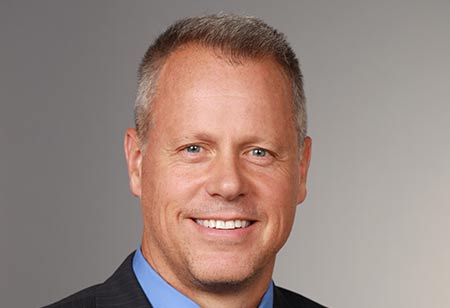
Dan Hultquist, Director of Reverse Mortgage Communications, Movement Mortgage and Co-Founder

Reverse Mortgage Myths Undermine Retirement and Insurance Decisions

For many older homeowners, retirement is not threatened by a lack of assets, but by a lack of liquidity. American seniors (62+) have a collective $14.7 Trillion in housing wealth tied up in their principal residence yet struggle with monthly cash flow. When homeowners have a disproportionate amount of their wealth in an illiquid asset it often forces painful tradeoffs like delaying home repairs, reducing discretionary spending and underinsuring against risks.

An overlooked solution to this problem is the modern, federally insured reverse mortgage. Unfortunately, decades-old misconceptions continue to distort how seniors view these loans. Sadly, they frequently reject a tool that could create reliable cash flow and liquidity, two ingredients needed to make sound insurance decisions. As a result, many seniors remain exposed, underinsured or forced to liquidate other assets at the worst possible time.

Myth #1: “The Bank Takes Your Home”

The most persistent myth is that a reverse mortgage transfers ownership of the home to the lender. The homeowners remain on title, just as with any traditional mortgage. The loan is secured by a lien, like a traditional HELOC and the borrower retains full control of the property. Even after death, homeownership still transfers to the heirs.

Myth #2: “Reverse Mortgages Are Too Expensive”

Seniors often focus on the upfront costs of a reverse mortgage without comparing them to alternatives. Selling a home can cost 6–8 percent of its value and traditional refinancing introduces new monthly payments. The reverse mortgage costs are typically financed into the loan, not paid out of pocket and there are no required monthly principal and interest payments.

More importantly, cost should be evaluated in terms of value. A reverse mortgage is a non-recourse loan that can generate tax-free cash flow. Any unused funds can be left in a growing line-of-credit that cannot be frozen, reduced or eliminated based on market conditions.

Myth #3: “I Need to Leave the House to My Kids”

Many seniors resist reverse mortgages because they want to preserve their home for their heirs. Ironically, this mindset often leads to poorer outcomes for both parents and children. Adult children generally don’t want the home. They value financial security more than inheriting a specific property. Meanwhile, a reverse mortgage can help fund life insurance, protect investment portfolios and provide a “living inheritance” when children need help most.

Myth #4: “I’ll Get More If I Wait”

Some homeowners believe they should delay a reverse mortgage because benefits increase with age. While age does play a role, waiting generally costs more than it gains. Interest rate volatility, changing program rules, declining home values or credit mishaps can prevent eligibility later. Delaying also forfeits years of potential cash flow and line-of-credit growth.

Reverse mortgages do not replace insurance planning; they enhance it.

Myth #5: “I Don’t Need One”

Reverse mortgages are often framed as a last resort, but this framing misses their strategic value. The question is not whether a homeowner “needs” one today, but whether it is prudent to have one for flexibility tomorrow. Financial “shocks” like medical events, long-term care needs or market downturns can quickly erode even well-funded retirement plans.

Myth #6: “I’ll Lose All My Equity”

Many seniors fear that rising loan balances will erase their home equity. In practice, modest home appreciation often offsets the interest accrual, particularly in the early years. Borrowers can also make voluntary payments at any time to manage loan balances and receive a potential tax deduction.

Equity should not be viewed as untouchable, but as a resource. Strategically converting a portion of illiquid equity into usable cash can mean the difference between carrying adequate insurance coverage and going without it.

Reverse Mortgages Strengthen Insurance Planning

The true cost of misunderstanding reverse mortgages is not a missed borrowing opportunity. Rather it is the loss of financial flexibility that underpins sound insurance decisions. For many retirees, wealth exists primarily in the form of home equity, yet insurance obligations require steady cash flow and readily available liquidity. When those are lacking, homeowners are forced into defensive choices: reducing coverage, dropping optional riders, delaying care or gambling that nothing adverse will occur. Too often, that gamble fails.

A reverse mortgage, used responsibly, can materially improve this outcome by converting illiquid home equity into flexible financial resources. Eliminating an existing mortgage payment or establishing a growing line of credit immediately improves cash flow. That freed-up cash flow can be redirected toward insurance premiums, emergency reserves or long-term-care strategies. Coverage decisions to be driven by risk management rather than short-term cash constraints.

Just as important, a reverse mortgage creates a standby source of liquidity that grows over time. This liquidity serves as a powerful backstop for insurance planning, providing funds to cover premium increases, unexpected claims or uncovered care expenses without forcing the sale of investments or the surrender of insurance policies during market downturns.

Reverse mortgages do not replace insurance planning; they enhance it. By transforming dormant equity into usable capital, they give retirees the freedom to maintain appropriate coverage, plan proactively, and protect their families. Dispelling these myths is not about selling a product. Rather it is about protecting seniors from avoidable exposure and enabling a more secure, well-insured retirement.

The articles from these contributors are based on their personal expertise and viewpoints, and do not necessarily reflect the opinions of their employers or affiliated organizations.