
Thank you for Subscribing to Insurance Business Review Weekly Brief

Loadsure
Matthew Dybus, Director of Underwriting
Shaping the Future of Underwriting and Risk Assessment
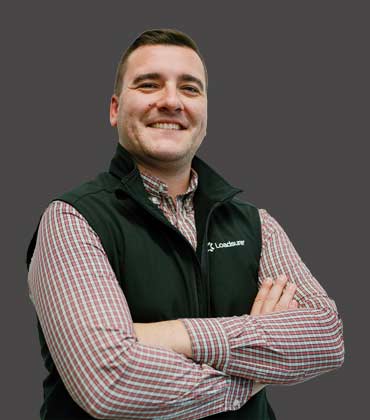
Matthew Dybus
Matthew Dybus, Director of Underwriting, North America at Loadsure, is a recognized thought leader in freight and marine insurance, known for combining deep underwriting expertise with innovative risk management strategies. Leading a team specializing in shipper’s interest, ocean cargo, stock throughput and motor truck cargo insurance, he brings a forward-thinking approach to complex risk solutions. With a strong focus on collaboration, market intelligence and emerging technologies like AI, Matthew has built a reputation for driving smarter underwriting practices while mentoring the next generation of insurance professionals.
Building a Career Through SolutionOriented Underwriting
My career began in the ocean marine insurance brokerage space, where the focus was always on finding solutions for clients. On the brokerage side, the word “no” is rarely said or heard and that mindset ultimately shaped my transition into underwriting and continues to influence how I approach risk evaluation today.
Early in my career at Marsh, a brokerage, I built a strong technical grounding in marine insurance through the guidance of seasoned professionals such as Kevin Mullady, Area Senior Vice President at Marsh, and broker Kevin Littlefield. That foundation was further shaped by leaders including Herman Brito, Managing Director, Melanie Waltrich, Senior Vice President, and Megan Cincotta, who encouraged a more solutions-driven brokering approach. Their influence helped me see insurance not as black and white, but as a business centered on developing practical answers for complex risks.
My experience at Liberty Mutual Insurance further strengthened my understanding of standardized insurance practices and underwriting structures. Moving to Loadsure, a younger MGA, expanded my ability to access the broader insurance marketplace and structure more adaptable coverage strategies.
Over the last eight years, being deeply involved in the marketplace has shaped my understanding of freight insurance holistically, particularly the challenges faced by insureds, subsidiaries and their business partners. That experience has strengthened my ability to work across different markets and develop solutions that support evolving business and risk management needs.
Evolving Underwriting Through Technology and Leadership
One of the biggest shifts in underwriting today is recognizing that no one can do it alone. The industry increasingly relies on specialized expertise. Organizations like the National Cargo Bureau support warehouse surveys, loading and unloading surveys and packaging consultations.
Creating trust, encouraging outside-the-box perspectives and learning from the people around you are essential to building strong underwriting teams and maintaining sound judgment.
RFP Labs brings another layer of support by connecting shippers with the right motor carriers to help protect products before and during transit. Leveraging expertise has become critical to better understanding exposures and managing risk.
That collaboration is especially important as risks continue to evolve. Fictitious pickups, cargo theft and increasingly sophisticated theft tactics are forcing underwriters to look more closely at exposures and work with specialized partners who can help them stay ahead of emerging threats.
At the same time, artificial intelligence is transforming underwriting processes. I see AI as a tool to support underwriters by simplifying workflows, consolidating loss runs, reviewing motor vehicle records and international fuel tax agreement reports and helping teams reach conclusions with better insight. Its value depends on a “trust but verify” approach, where AI improves speed and visibility without replacing underwriting judgment.
Underwriting still depends on taking a deeper dive into exposures, understanding the true nature of risk and trusting your instincts and experience.
From a leadership perspective, one of the most important lessons I’ve learned is that leaders do not always have all the answers. What matters is the willingness to find solutions, support your team and remain open to different ways of thinking. Creating trust, encouraging outside-the-box perspectives and learning from the people around you are essential to building strong underwriting teams and maintaining sound judgment.
Preparing the Next Generation of Underwriting Professionals
Looking ahead, I believe AI will continue to play a major role in underwriting and risk management by improving awareness of exposures, streamlining communication and helping insureds, brokers and underwriters better understand one another. Insurance will always remain a people industry. Technology cannot replace relationships, trust, collaboration, or the human connection that drives this business forward. It cannot replace sitting across from a broker after a bind, shaking an insured’s hand, joining a detailed Teams discussion or walking through the granularity of a complex case with the people involved.
My advice to professionals entering underwriting and risk management is to go for it with an open mind. I did not set out to build a career in ocean cargo insurance. I once imagined becoming a fireman, and my entry into marine insurance came through an unexpected professional connection after college. Every opportunity taught me something valuable. Growth comes from stepping into unfamiliar situations, learning continuously and being willing to find solutions along the way.
The articles from these contributors are based on their personal expertise and viewpoints, and do not necessarily reflect the opinions of their employers or affiliated organizations.
