
Thank you for Subscribing to Insurance Business Review Weekly Brief

Hastings Insurance
Peggy Griffith, Claim Director
Turning Operational Challenges into Opportunity
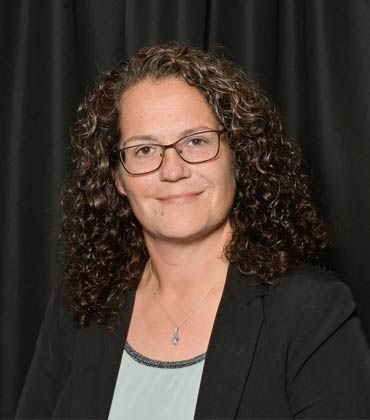
Peggy Griffith
Overcoming a technology deficit at a regional insurance carrier continues to be a balancing act. As claims leaders, we must improve efficiency while maintaining the high level of customer service and claim quality our policyholders expect. While technology continues to transform the industry, claims professionals remain essential. Our challenge is finding ways to improve workflows and equip teams with better tools that reduce expenses, shorten cycle times, and help differentiate our organization through a best-in-class customer experience.
Improving Processes to Drive Results
My auto claims department has experienced significant change over the past several years. When I was promoted to Director, I was tasked with identifying the root causes of the department's performance challenges and developing a strategy to improve results. One of the most important lessons I learned was that sustainable improvement starts with examining processes.
Our most impactful operational change involved the handling of total loss vehicles. At the time, we were still mailing paperwork to vehicle owners, waiting for completed documents to be returned, issuing payment, and then mailing title documentation to the salvage yard. The process was highly inefficient and created delays in claim payments, paperwork errors, and significant rework when documents were incomplete, incorrect, or lost. It also delayed the sale of salvage vehicles, reducing overall recovery returns.
To address these issues, I partnered with our salvage vendor and conducted a cost-benefit analysis to evaluate whether they could assume responsibility for the title and paperwork portion of the process. Their technology capabilities and title expertise far exceeded our internal resources. The analysis showed that transferring this work to the vendor would not only reduce costs, but also free adjusters to focus on activities that directly impacted customers.
Driving Results through Innovation
The results were significant. Customers received claim payments faster, many documents could be completed electronically, and errors requiring rework dropped substantially. The streamlined process improved efficiency, reduced cycle times, and enhanced the customer experience.
Equally important, our corporate wide pursuit of efficiency and meaningful technology solutions increased employee engagement. By involving staff in discussions about operational challenges and encouraging innovative thinking, we created a culture where ideas from the front line were valued. Those efforts contributed to more than $1 million in savings during 2025.
One of the best sources of improvement opportunities is the people doing the work every day. Ask your teams what slows them down, what creates frustration, and what processes no longer make sense. Most importantly, do not accept, "That's how we've always done it" as a reason to maintain the status quo. Not every improvement requires a major technology investment. Sometimes the most meaningful changes come from removing obstacles and simplifying work. When we make processes easier, faster, and more effective, we allow claims professionals to spend more time focusing on what matters most: delivering excellent service to our customers.
The articles from these contributors are based on their personal expertise and viewpoints, and do not necessarily reflect the opinions of their employers or affiliated organizations.
